We hear about the “October lull” all the time, but is it really a period when bucks seem to disappear, or is it simply a time when deer change their patterns and become more difficult to see?
What Causes the Change?
During the summer months, bucks are in bachelor groups and stay close to their favorite food sources. They typically have a small travel range, which allows hunters to see the same bucks repeatedly in the same areas and on the same trail cameras. Then, seemingly overnight, the deer disappear. This is when hunters begin to wonder: do bucks really stop moving in October?
Over the years, I have learned that once a buck sheds his velvet, his behavior and movement patterns begin to change. As hunters, we have to change our strategies and adapt to what the deer are doing.
Regardless of the time of year, whitetails still need to feed, drink, and move. However, their patterns can change depending on what’s happening around them. Bachelor groups begin to break apart, acorns start to drop, vegetation begins to die, and the leaves begin to fall. Bucks also become more territorial and start to focus on areas they feel comfortable in.
At the same time, crops begin to dry out and are harvested, while hunters start entering the woods and creating additional pressure. All of these factors can cause a deer to change where and when they move.

So, does the October lull really exist? In my opinion, the deer haven’t stopped moving, they have simply changed their patterns and present themselves in daylight less.

The key for hunters is to recognize those changes, adapt, and continue to hunt where the deer are most likely to be.
Avoiding the Lull
October has become one of my favorite months to bow hunt. Once I figured out where to hunt and what to look for, I realized that the so-called October lull doesn’t mean mature bucks stop moving. Big, mature bucks tend to travel less and stay within a smaller home range compared to three or four year old bucks.
That makes setting up trail cameras in the right locations especially important. These can be very effective places to capture photos of mature bucks during October:
- Mock scrapes
- Areas with heavy acorn drops
- Alfalfa and clover
- Green food plots
- Water
Knowing where these food and water sources are located can give you a better understanding of where the bucks are spending their time.
However, you can’t always rely on trail cameras to tell you everything. Getting into the woods and scouting for these hot oak trees, and locating areas with heavy buck sign can provide valuable information. Scouting on rainy days to reduce your scent will also give you an advantage to not over scent up an area.
The key to avoiding the October lull is adapting to the deer by paying attention to the sign, and shifting travel patterns, and you can stay ahead of a mature buck instead of assuming they have disappeared.
Timing the Hunt
I also pay attention to the red moon dates, which create peak gravitational pull during the times of the day when deer are already most active, which is at dawn and dusk. This additional pull can get bucks on their feet and moving during daylight earlier than normal, making these dates a great time to be in the stand. When you combine this with watching the weather, cold fronts, and paying attention to rising barometric pressure, you can increase your chances of catching a mature, elusive buck on his feet.
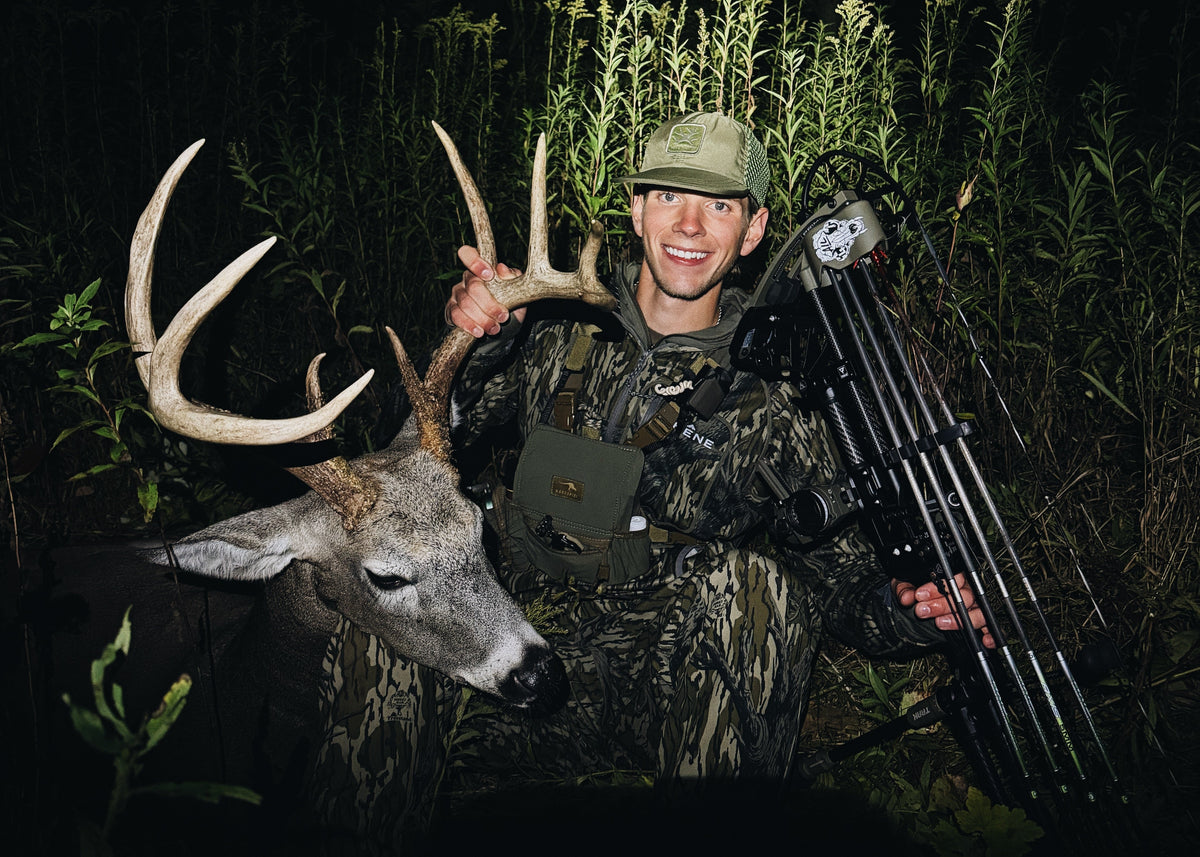
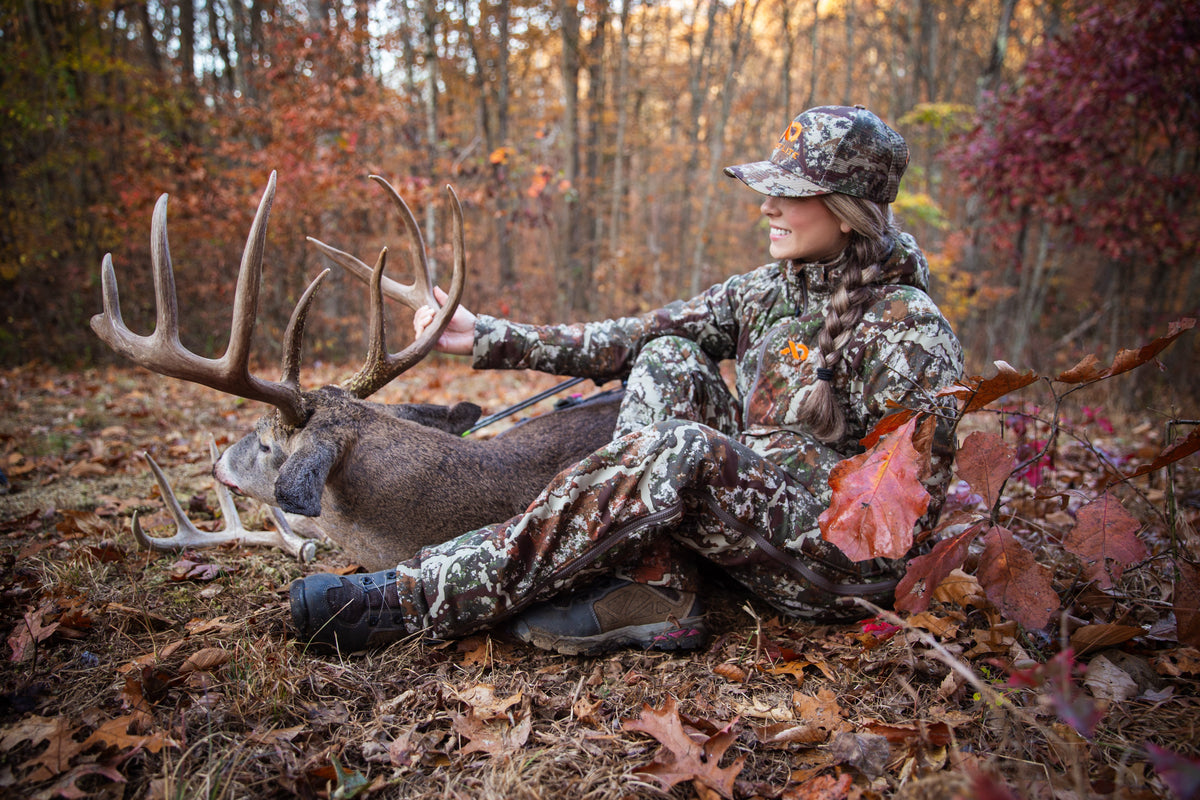
I have killed two of my biggest bucks during the October 7–10 time frame. Both bucks were 7.5 to 8.5 year old deer and stayed within a very small core area. Once I figured out their core area and waited for the right conditions, everything came together.


The combination of a cold front, the red moon, the correct wind, and the right timing allowed me to get an opportunity at both of the giant, elusive bucks.
Conclusion
In conclusion, bucks are still very patternable during this time of year. Understanding where deer are spending most of their time and getting into a stand at the right time can give you a much better chance of encountering the buck you are targeting instead of waiting until the rut when your target deer may be three miles away on a neighbor’s property locked with a doe.
The October lull may make it seem like the bucks have disappeared, but that doesn’t mean they are gone. You simply have to adapt, think like a mature buck, and hunt smarter.

If you do that, the so-called “October lull” may work in your favor.